Industry & Knowledge

  • Packaging and Packaging Waste Regulation (PPWR)

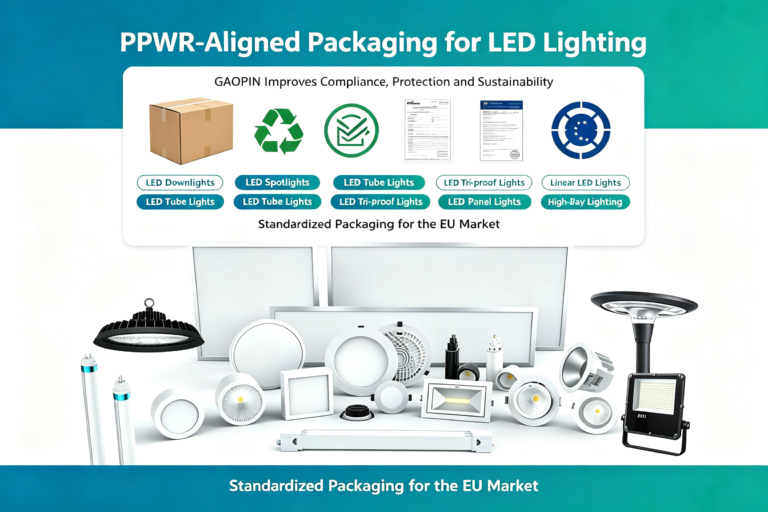
    — GAOPIN has completed a comprehensive packaging upgrade for all products exported to the European Union, in response to the EU **Packaging and Packaging Waste Regulation (PPWR)**. The improved packaging system is now applied across the company’s entire EU-bound portfolio, helping support regulatory alignment, material transparency, packaging waste reduction, and more stable product delivery. The…

  • What is IEC/EN 60945? (Marine / Shipboard Certification Explained)

    IEC/EN 60945 Marine Certification Explained IEC/EN 60945 is an international standard for electronic equipment used on ships and offshore environments. It defines the requirements for marine navigation and communication equipment, ensuring that devices can operate safely and reliably under harsh maritime conditions. The standard is issued by the International Electrotechnical Commission (IEC) and adopted in…

  • Reducing Energy Stress Worldwide Through Efficient LED Lighting

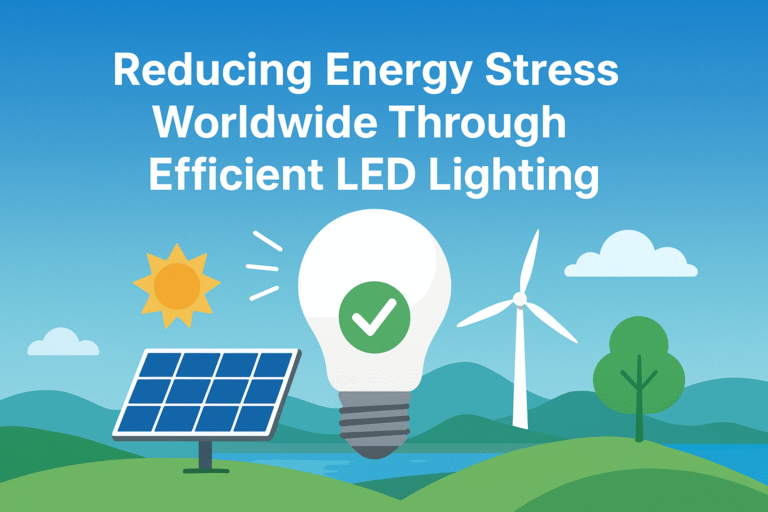
    In an era defined by rising energy demand, escalating electricity costs,  and growing pressure on global power grids, improving energy efficiency has become an urgent priority. In the early years of LED Lighting adoption, millions of households, factories, and public facilities upgraded from traditional lighting to first-generation LED products. These LEDs delivered major improvements in…

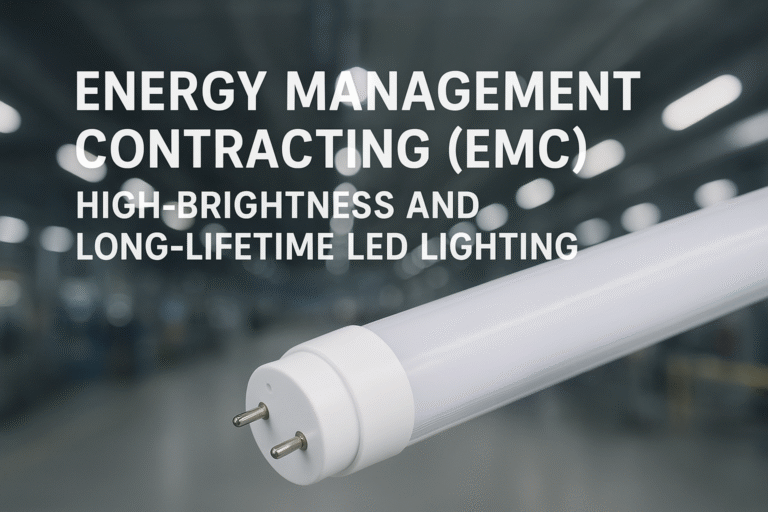
  • Energy Management Contracting (EMC): Unlocking Savings with High-Brightness and Long-Lifetime LED Lighting

      In the global pursuit of sustainable development and energy efficiency, Energy Management Contracting (EMC) — also known as Energy Performance Contracting (EPC) ,Energy Service Company (ESCO) provides investment, design, installation, and maintenance services for energy-saving projects. The ESCO is then repaid through the energy cost savings generated during the contract period. has become an…

  • What is L70?

      In the LED lighting industry, L70 is a metric that defines the useful lifetime of an LED product. It refers to the number of operating hours until the LED’s light output (luminous flux) has decreased to 70% of its initial value. For example: If a product is rated L70 = 50,000 hours, it means…

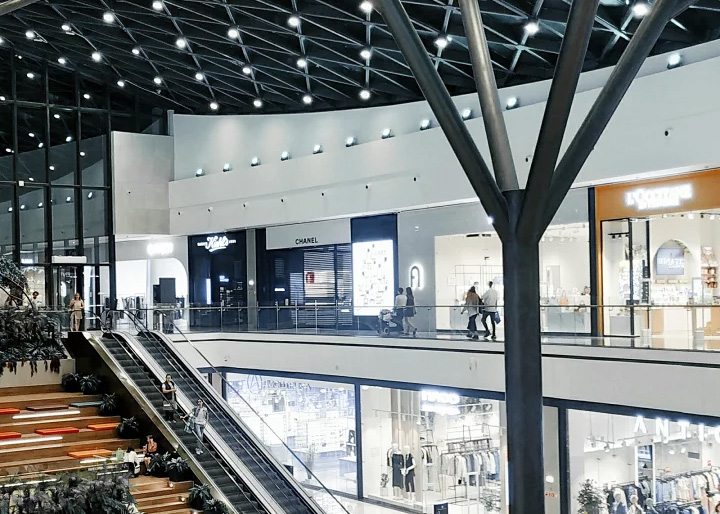
  • Energy Savings from 2,000 LED Downlights

    The benefits of replacing 2,000pcs traditional 100W LED downlights with 2,000 high-efficiency 60W 8500lm LED downlights in a large-scale supermarket or hypermarket setting: 🔋 1. Significant Energy Savings ➤ Power Consumption Reduction Old setup: 100W × 2,000 fixtures = 200,000W (200kW) New setup: 60W × 2,000 fixtures = 120,000W (120kW) Energy savings: 80,000W (80kW)  …

  • How much energy can be saved with P02 Series LED Tube

    To compare the energy savings of two different LED tubes (GAOPIN P02 Series 200LM/W LED Tube 9W, 200lm/W vs. 18W, 100lm/W) for a parking lot with 2000 tubes running 24 hours a day for 3 years, let’s break it down: Assumptions: Light Output: Both LED tubes need to provide the same brightness (lumens). Working Hours:…

  • The Benefits of LED Poultry Lighting on Animal Growth in Animal Husbandry

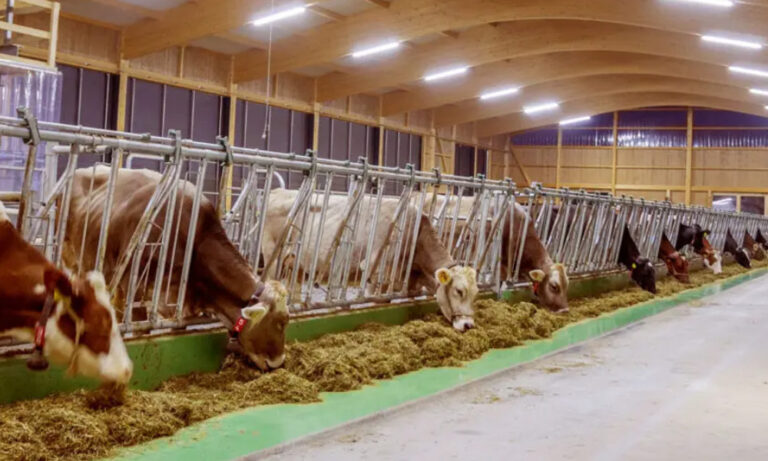
    As global demand for efficient and sustainable livestock farming increases, the role of lighting in animal husbandry has become more prominent than ever. Among various solutions, LED poultry lighting has emerged as a game-changing technology that not only reduces energy costs but also enhances animal welfare and growth performance. This article explores how modern LED…

  • Waterproof LED Tubes in Plant Growth Lighting

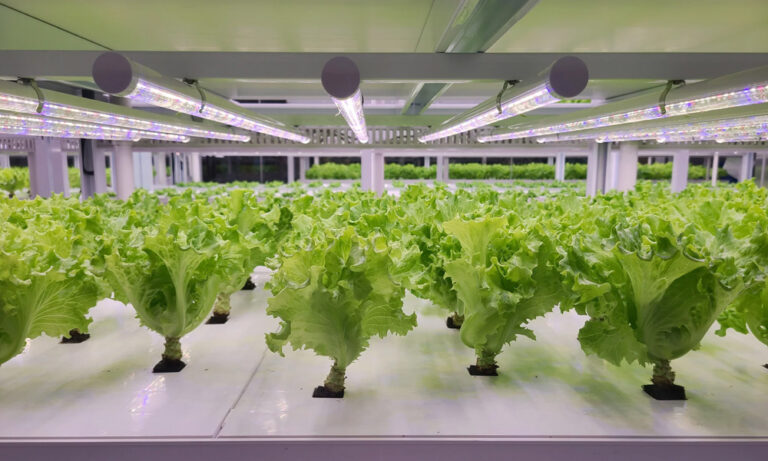
    GAOPIN  Waterproof LED tubes  are becoming increasingly popular for plant growth lighting in environments like greenhouses, indoor farms, and hydroponic systems. These LED tubes provide a reliable, energy-efficient lighting solution that can withstand humidity, moisture, and even direct water exposure, making them ideal for environments where plants are grown under artificial lighting. In plant growth…

  • LED Tube VS LED Panel Lights, How to choose?

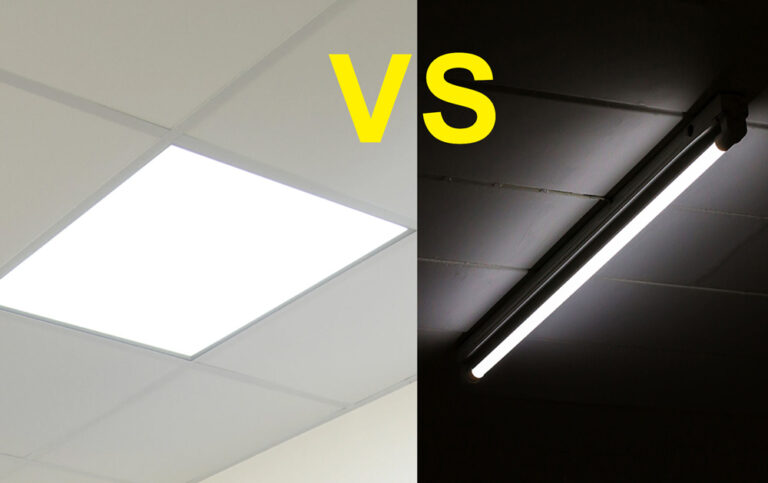
    Comparison of LED Panel Lights vs. LED Tube Lights for Lighting Applications When selecting lighting for a space, both LED panel lights and LED tube lights have their unique advantages. The choice between them depends on the specific lighting needs, energy efficiency, and cost considerations of the environment. 1. Light Efficiency and Distribution LED Panel…

  • How to choose and install LED panel lights to save money?

    Introduction to LED Panel Lights LED panel lights are flat, slim, and efficient lighting fixtures that use light-emitting diodes (LEDs) as the light source. They are designed to provide uniform and glare-free lighting, making them ideal for modern interiors. These lights are commonly used in offices, schools, hospitals, and residential spaces due to their sleek…

  • How to choose the right LED downlight?

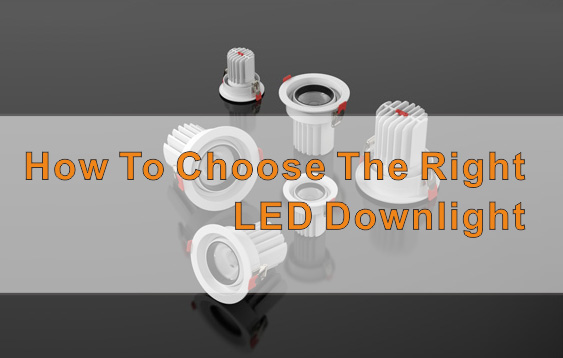
    Choosing the right LED downlight involves considering several factors to ensure it meets your lighting needs, aesthetic preferences, and energy efficiency goals. Here’s a detailed guide on how to make an informed decision: 1. Determine the Purpose of the Lighting General Lighting: If you’re looking to provide ambient lighting to a room, go for a…

  • What is the difference between led downlights and LED spotlights?

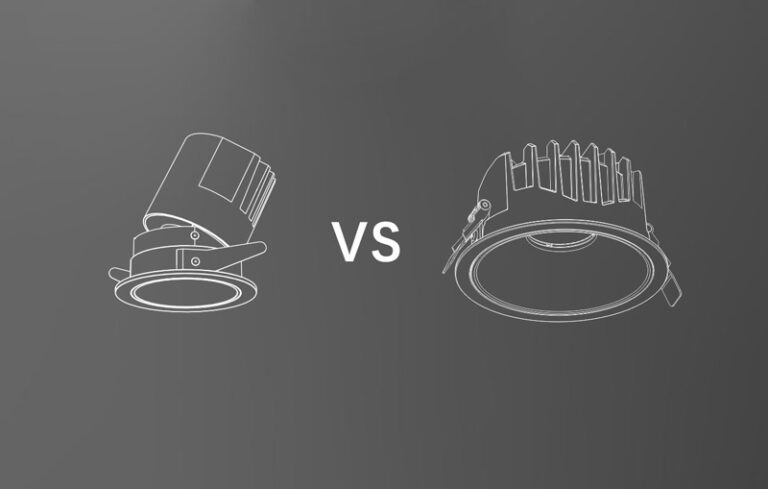
    The difference between LED downlights and LED spotlights lies primarily in their design, beam angle, application, and lighting effects. Here’s a clear breakdown from an engineering perspective: 1. Design and Structure LED Downlights: Typically recessed into the ceiling, they are designed to provide a broad, uniform spread of light. Downlights have a clean, low-profile appearance,…

  • What is the importance of high CRI in LED Lighting?

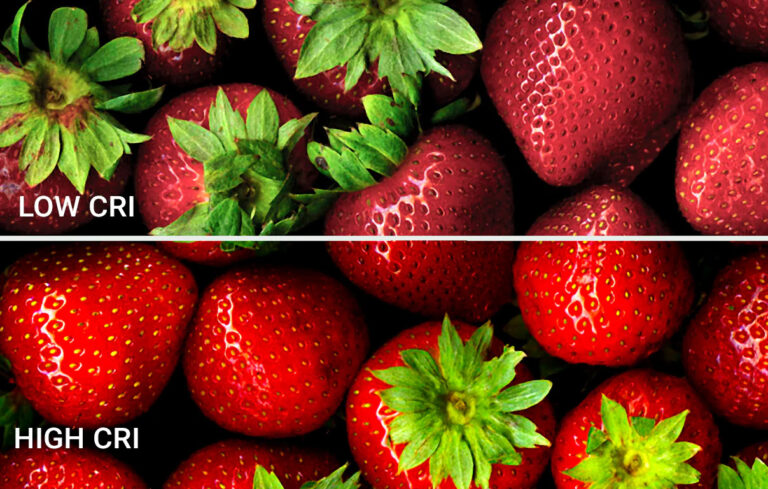
    The Color Rendering Index (CRI) is a crucial factor in LED lighting as it directly affects how colors appear under artificial light. A high CRI indicates that the light source renders colors more naturally and accurately, which is important in various applications. Here’s why: 1. Enhances Color Accuracy and Quality A high CRI (typically 90…