As global demand for efficient and sustainable livestock farming increases, the role of lighting in animal husbandry has become more prominent than ever. Among various solutions, LED poultry lighting has emerged as a game-changing technology that not only reduces energy costs but also enhances animal welfare and growth performance.
This article explores how modern LED lighting—specifically LED chicken coop lights, LED pig farm lighting, and LED cattle shed lights—contributes to healthier animals and more efficient farm operations.
✅ 1. Optimized Growth Cycles with Controlled Lighting
Proper lighting is crucial for regulating the circadian rhythm and behavior of animals. Unlike traditional incandescent or fluorescent lighting, dimmable livestock LED lights allow farmers to simulate natural day-night cycles, helping maintain hormonal balance in animals. By adjusting light intensity and duration, livestock experience reduced stress and improved growth efficiency.
For poultry farms, LED chicken coop lights with adjustable brightness can promote better egg production, weight gain, and feeding patterns. Similarly, swine and cattle benefit from customized lighting cycles that enhance metabolism and minimize fatigue.
✅ 2. Enhanced Animal Welfare with Flicker-Free Technology
Animals are more sensitive to light flicker than humans. Frequent exposure to flickering light—common in low-quality lamps—can lead to stress, reduced feeding, and even aggression in livestock.
High-quality flicker-free LED for animals eliminates this problem, offering smooth, stable illumination. This is particularly beneficial in pig and poultry farms, where constant lighting conditions are critical for behavioral balance and overall well-being.
✅ 3. Application-Specific LED Solutions for Different Livestock
Modern farms require lighting solutions tailored to specific environments. Thankfully, LED technology has evolved to meet these needs:
LED Chicken Coop Light: Designed for layer and broiler production, these lights provide a uniform, low-glare output that mimics natural daylight—essential for regulating reproductive cycles and feeding behavior.
LED Pig Farm Lighting: Built to withstand ammonia-rich, humid environments, these LED fixtures are IP-rated and highly durable. They help maintain constant illumination in piglets’ nursery zones and farrowing areas, supporting healthy development.
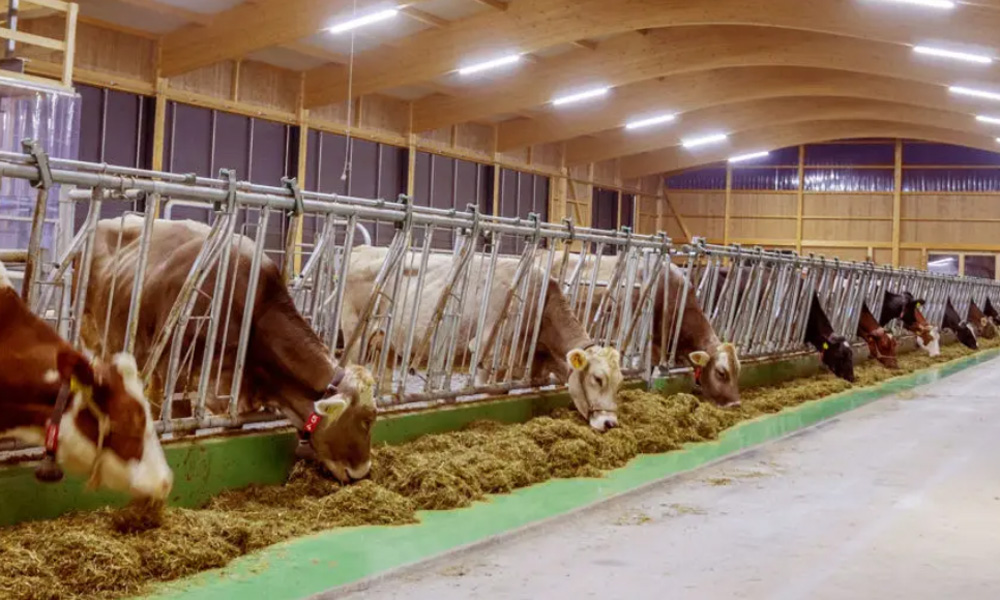
LED Cattle Shed Light: Engineered for high ceilings and wide spaces, these lights offer powerful, wide-angle illumination suitable for barns and milking parlors. They improve visibility for both animals and workers, reducing injury risks and supporting milk yield.
✅ 4. Energy Efficiency & Cost Reduction
Switching to LED lighting can reduce energy consumption by up to 60–80% compared to traditional lighting systems. This means significant cost savings in long-term operation, especially in large-scale animal farms with 24/7 lighting needs.
Dimmable livestock LED lights also contribute to efficiency by providing only the necessary light output at each stage of the day, preventing over-illumination and further conserving energy.
✅ 5. Long-Term Durability in Harsh Farm Environments
LED lighting fixtures used in animal husbandry are specifically designed to withstand dust, humidity, ammonia, and other harsh conditions commonly found in barns and livestock shelters. Whether you’re using LED pig farm lighting or LED cattle shed lights, choosing IP65 or higher-rated luminaires ensures consistent performance and minimal maintenance.
🔚 Conclusion
Incorporating LED poultry lighting into animal husbandry is no longer a luxury—it’s a necessity for farms aiming to increase productivity while maintaining high standards of animal welfare. Whether you’re raising chickens, pigs, or cattle, tailored solutions like LED chicken coop lights, flicker-free LEDs, and dimmable livestock lighting can make a measurable difference in both animal health and operational efficiency.
Upgrade your farm’s lighting system today—and invest in the future of sustainable livestock farming. Contact us.