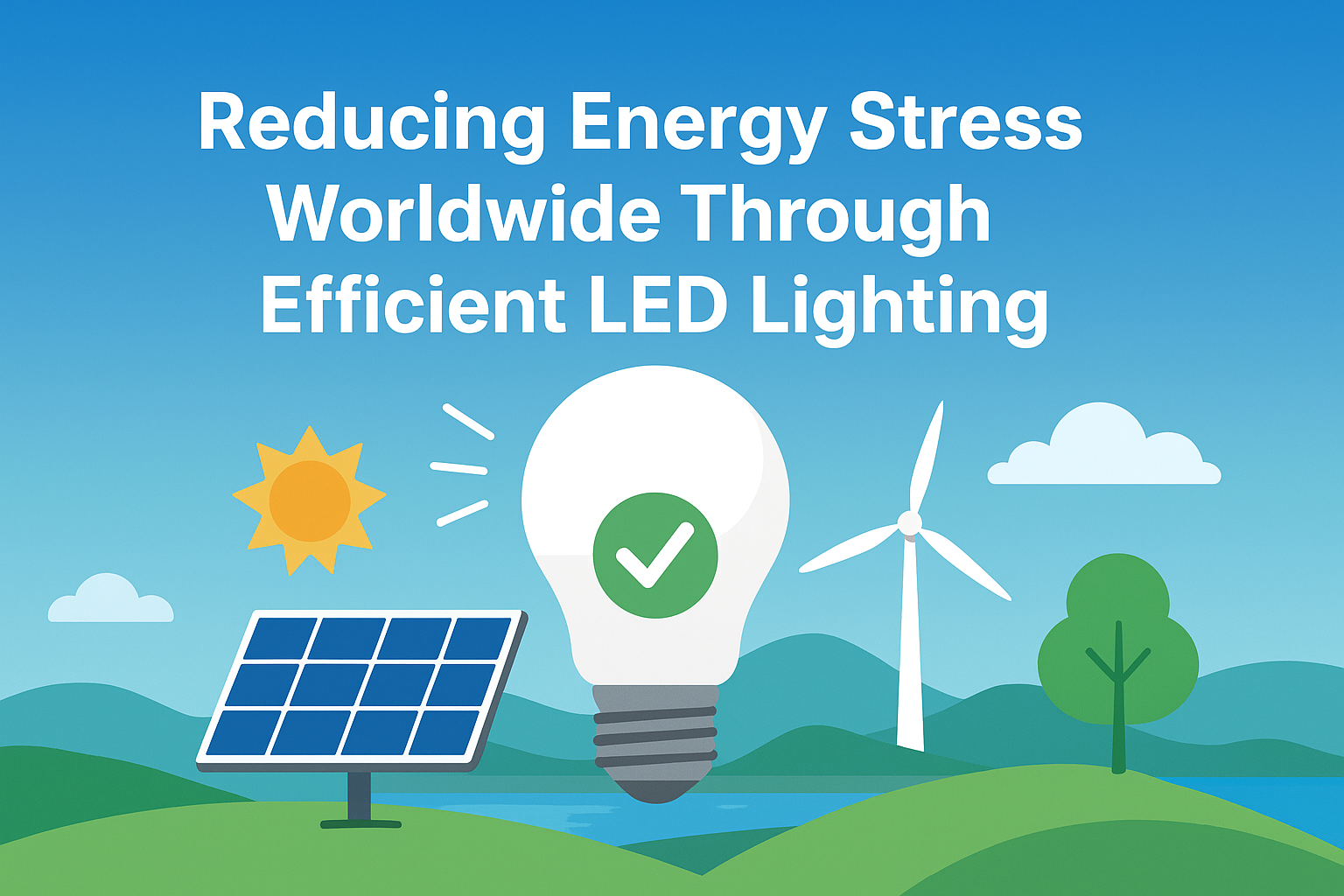
Reducing Energy Stress Worldwide Through Efficient LED Lighting

A colorful illustration featuring an LED bulb, solar panel, wind turbine, and natural landscape, symbolizing global energy savings through efficient LED lighting.

In an era defined by rising energy demand, escalating electricity costs,  and growing pressure on global power grids, improving energy efficiency has become an urgent priority.

In the early years of LED Lighting adoption, millions of households, factories, and public facilities upgraded from traditional lighting to first-generation LED products. These LEDs delivered major improvements in efficiency and lifespan, helping the world reduce electricity consumption and phase out energy-hungry incandescent and fluorescent lamps. However, many of those early LED fixtures are now approaching the end of their operational life.

This moment presents a valuable opportunity. Replacing aging, outdated LED fixtures with today’s high-brightness,  high-efficiency LED lighting can deliver a second wave of energy savings—often far greater than what was achieved in the first transition.

Modern high-performance LED products: such as the advanced high-lumen series from GAOPIN  LED High Bay Lights   and  LED Tube Lights offer 40–60% higher efficiency compared with conventional LED lamps. This means users can achieve brighter illumination while consuming significantly less power. At the same time, improvements in thermal management, chip design, and optical control allow these new LEDs to achieve much longer lifespans, reducing maintenance needs and cutting long-term operating costs.


Clean And Renewable Energy Sources

The global context makes this upgrade even more meaningful. Countries are rapidly developing clean and renewable energy sources—solar power, offshore and onshore wind farms, and tidal or wave energy—to reduce dependence on fossil fuels and ease pressure on aging power grids. Yet even as renewable capacity grows, reducing energy consumption at the user level remains one of the most effective ways to lower overall demand and stabilize grid performance.

Upgrading to next-generation high-brightness LED lighting not only reduces electricity usage but also amplifies the benefits of clean energy. When buildings, transportation systems, and public infrastructure consume less power, renewable sources can support more applications and deliver more impact.

As the world enters a new phase of energy transition, the shift from early LED products to modern high-efficiency LED lighting represents a simple, practical, and highly cost-effective step toward a cleaner, more sustainable future.
 

Related Articles

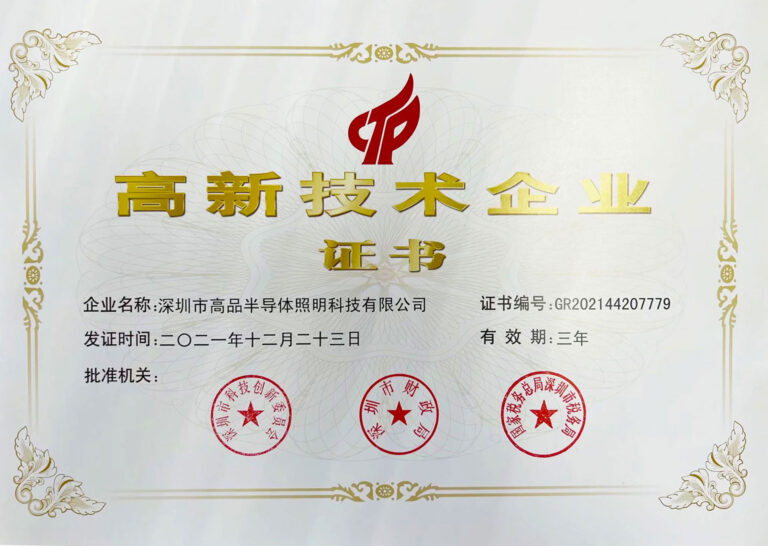
  • Won the title of “National High-tech Enterprise”

    In the end of 2021, GAOPIN success passed the identify of high-tech enterprises according to the Ministry of Science and Technology, the Ministry of Finance and the State Administration of Taxation on the “Administrative Measures for the Recognition of High-tech Enterprises”. The achievement of this honor is the affirmation and recognition of our company’s scientific…

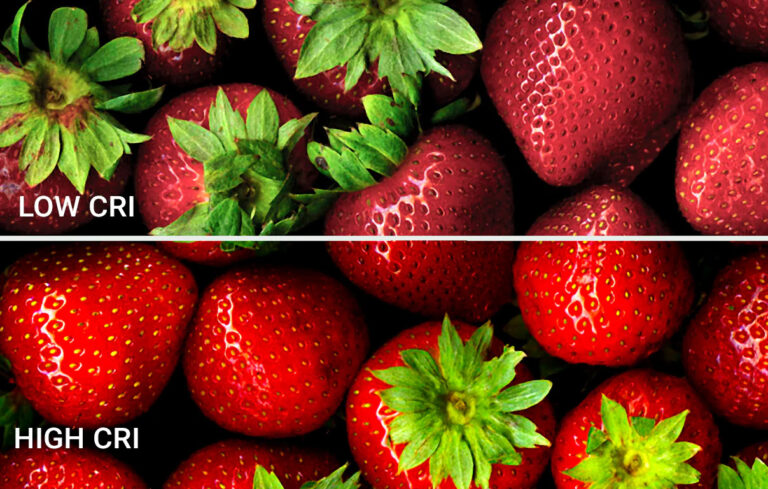
  • What is the importance of high CRI in LED Lighting?

    The Color Rendering Index (CRI) is a crucial factor in LED lighting as it directly affects how colors appear under artificial light. A high CRI indicates that the light source renders colors more naturally and accurately, which is important in various applications. Here’s why: 1. Enhances Color Accuracy and Quality A high CRI (typically 90…

  • What is the difference between led downlights and LED spotlights?

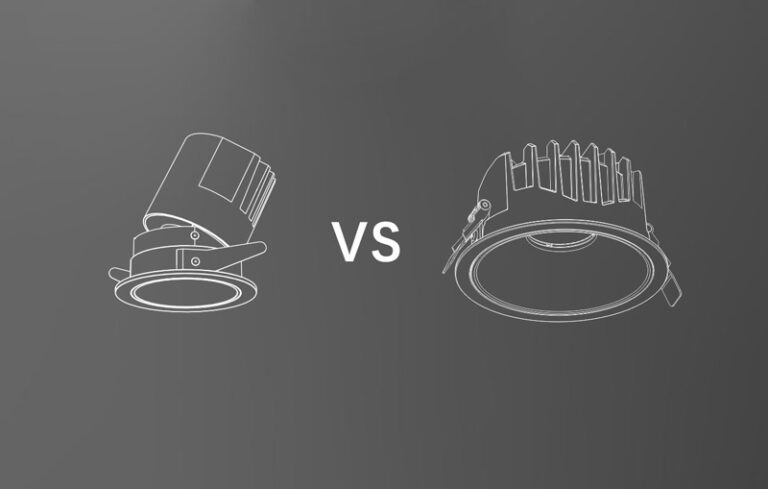
    The difference between LED downlights and LED spotlights lies primarily in their design, beam angle, application, and lighting effects. Here’s a clear breakdown from an engineering perspective: 1. Design and Structure LED Downlights: Typically recessed into the ceiling, they are designed to provide a broad, uniform spread of light. Downlights have a clean, low-profile appearance,…

  • What is L70?

      In the LED lighting industry, L70 is a metric that defines the useful lifetime of an LED product. It refers to the number of operating hours until the LED’s light output (luminous flux) has decreased to 70% of its initial value. For example: If a product is rated L70 = 50,000 hours, it means…

  • What is IEC/EN 60945? (Marine / Shipboard Certification Explained)

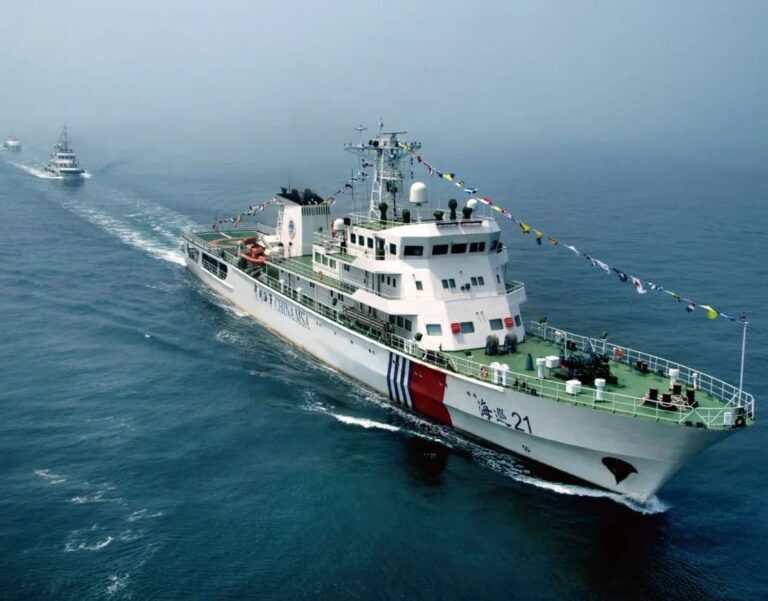
    IEC/EN 60945 Marine Certification Explained IEC/EN 60945 is an international standard for electronic equipment used on ships and offshore environments. It defines the requirements for marine navigation and communication equipment, ensuring that devices can operate safely and reliably under harsh maritime conditions. The standard is issued by the International Electrotechnical Commission (IEC) and adopted in…

  • Waterproof LED Tubes in Plant Growth Lighting

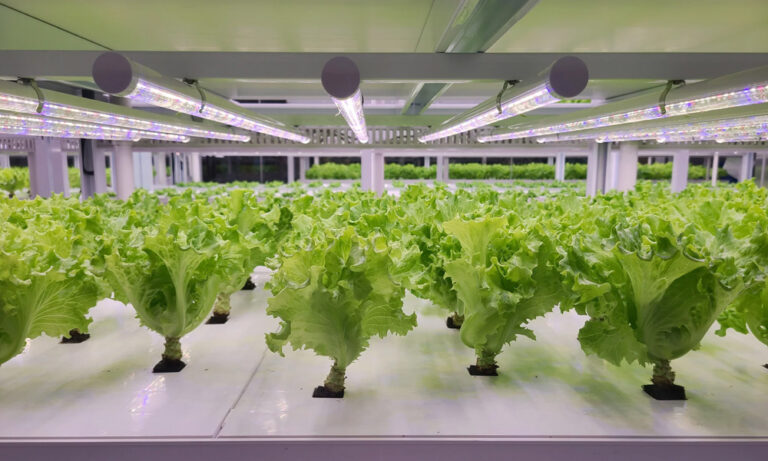
    GAOPIN  Waterproof LED tubes  are becoming increasingly popular for plant growth lighting in environments like greenhouses, indoor farms, and hydroponic systems. These LED tubes provide a reliable, energy-efficient lighting solution that can withstand humidity, moisture, and even direct water exposure, making them ideal for environments where plants are grown under artificial lighting. In plant growth…