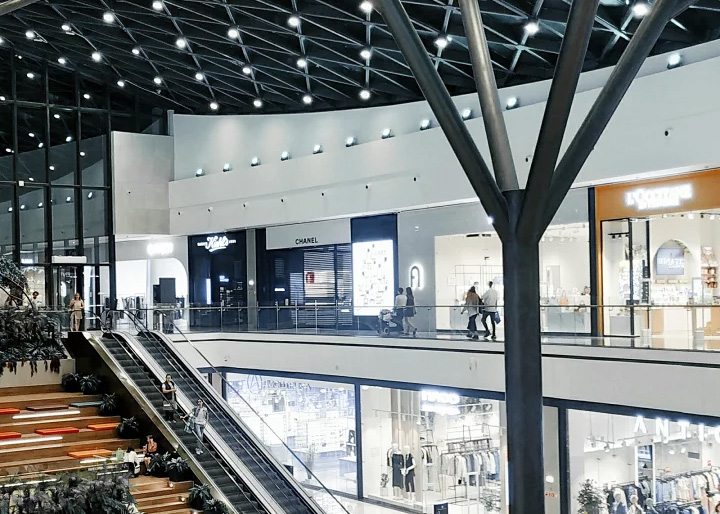
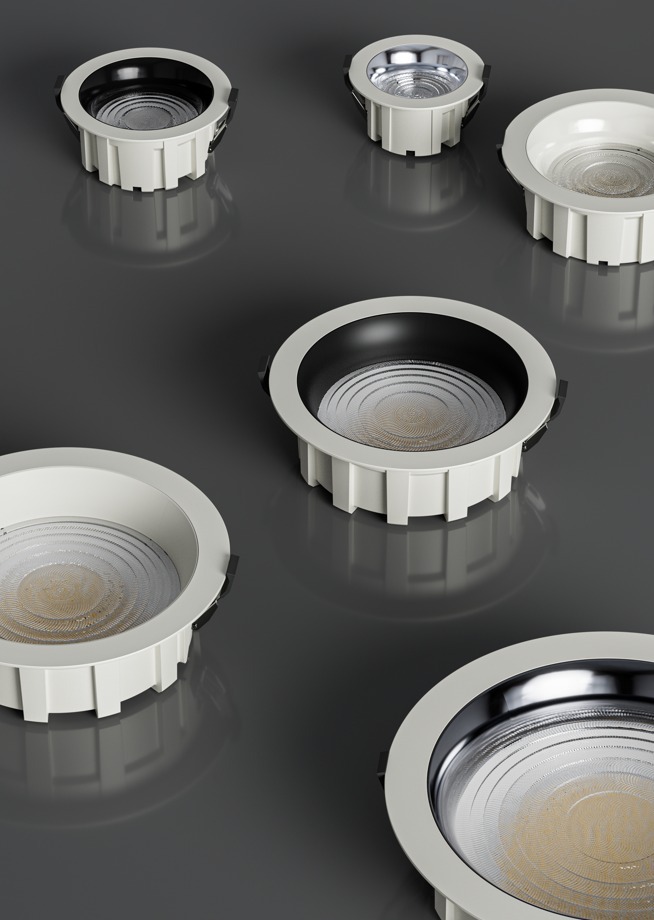
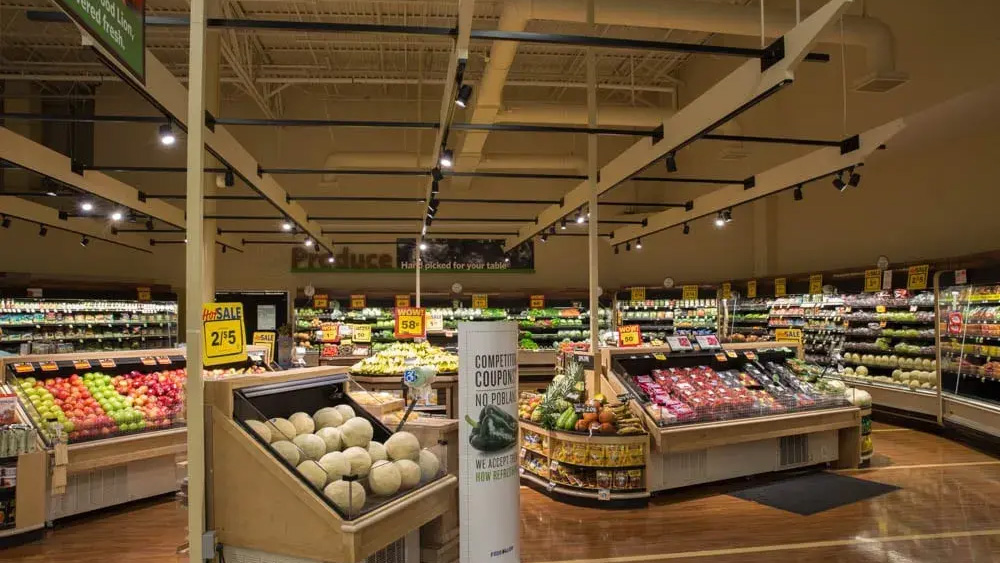
The benefits of replacing 2,000pcs traditional 100W LED downlights with 2,000 high-efficiency 60W 8500lm LED downlights in a large-scale supermarket or hypermarket setting:
🔋 1. Significant Energy Savings
➤ Power Consumption Reduction
Old setup: 100W × 2,000 fixtures = 200,000W (200kW)
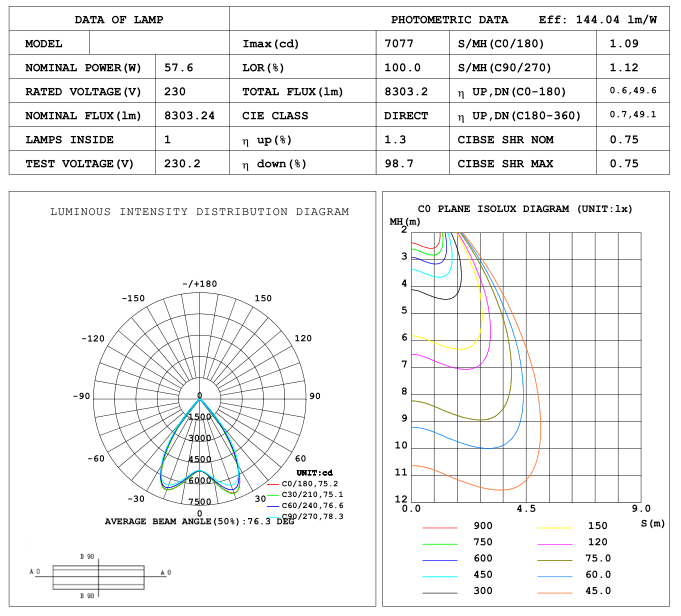
New setup: 60W × 2,000 fixtures = 120,000W (120kW)
Energy savings: 80,000W (80kW)
➤ Daily and Annual Savings
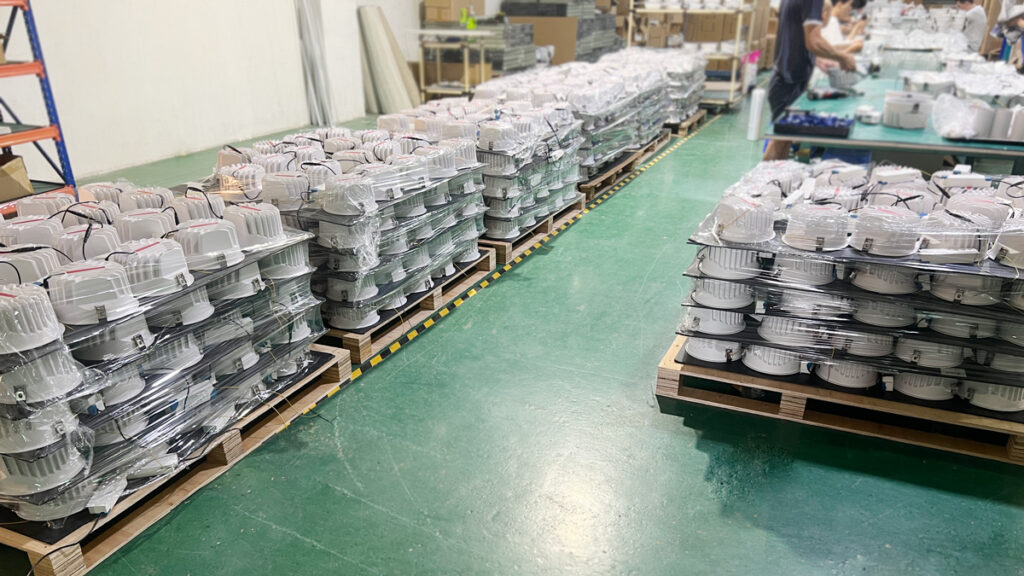
Assuming the supermarket operates 12 hours a day, 350 days a year:
Daily energy saved: 80kW × 12h = 960 kWh/day
Annual energy saved: 960 kWh × 350 days = 336,000 kWh/year
➤ Cost Savings
At an average commercial electricity cost of $0.11/kWh (adjust for your local rate):
Annual savings = 336,000 × $0.11 = $36,960/year
✅ Over $36,000 saved per year in electricity costs alone.
🌡️ 2. Reduced Heat Load & HVAC Cost
Lower wattage means less heat generated per fixture.
With 80kW less heat input into the building, air conditioning load is significantly reduced.
Improved in-store comfort for both customers and employees.
Better preservation of temperature-sensitive goods like fresh produce, meats, and dairy.
🌍 3. Environmental Impact – Carbon Footprint Reduction
Using the average conversion factor: 1 kWh = 0.9 kg of CO₂
Annual CO₂ reduction = 336,000 kWh × 0.9 kg = 302,400 kg CO₂/year
→ 302 metric tons of CO₂ saved annually
✅ A major step toward sustainability, carbon neutrality, and green operations.
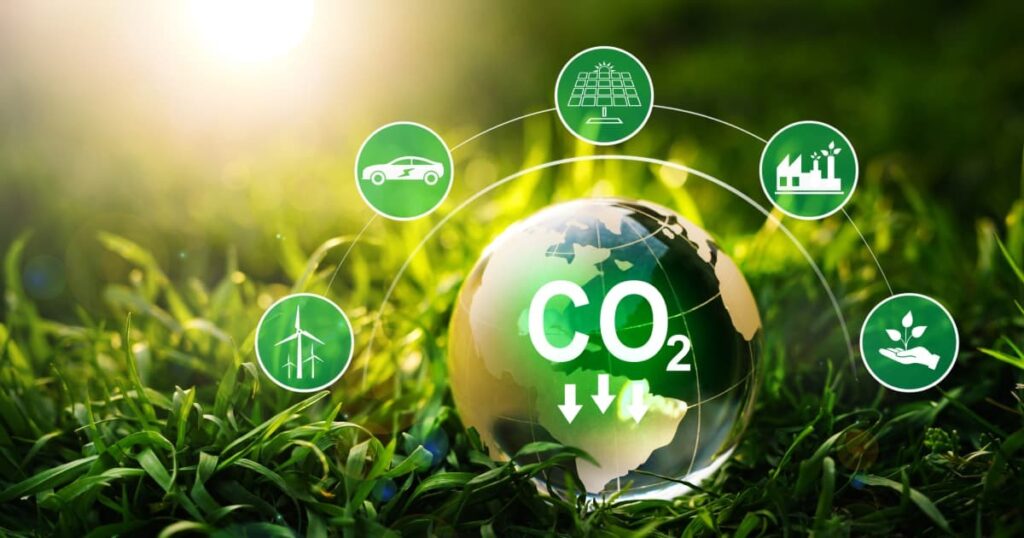
Lighting is responsible for 19% of global electricity consumption and accounts for nearly 6% of global CO2 emissions. So the wide-scale rollout of energy efficient lighting solutions such as LEDs would make a significant dent in carbon emissions globally.
🏬 4. Enhanced Operational Efficiency & Safety
Reducing the total electrical load by 80kW lightens the burden on transformers, cables, and power distribution panels.
Lower risk of overloads, fire hazards, and system failures.
Improved long-term reliability of the electrical infrastructure.
🔧 5. Lower Maintenance & Longer Lifespan
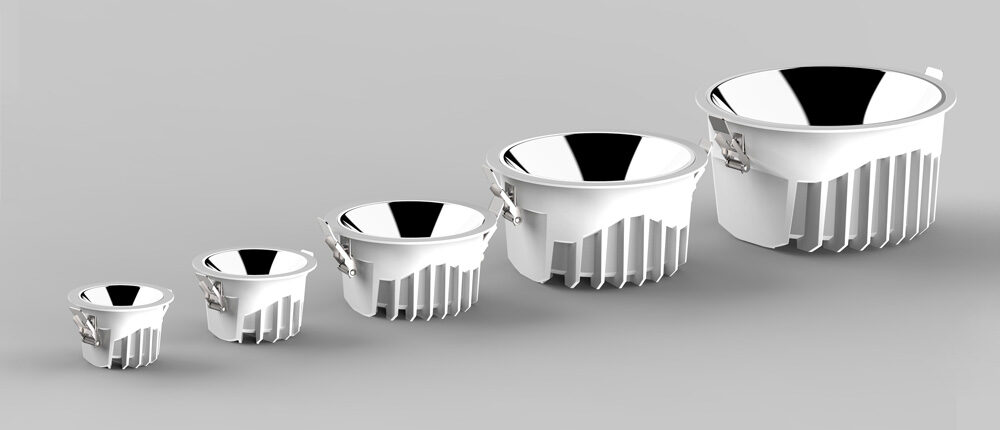
High-efficiency 60W LED downlights typically use newer, better thermal management technology.
Lower operating temperatures reduce stress on components.
Extended lifespan = less frequent replacements, reduced labor costs, minimal disruptions.
🌱 6. Green Building Certifications & ESG Impact
Qualifies the facility for green building certifications (e.g., LEED, BREEAM).
Contributes to higher ESG (Environmental, Social, Governance) scores.
Strengthens the supermarket’s brand image as an eco-conscious retailer.
📈 7. Future-Ready: Smart Lighting Compatibility
Modern 60W LED downlights often support dimming, motion sensing, daylight harvesting, and central control systems.
Offers flexibility to further reduce energy use during off-peak hours or low-traffic zones.
- Multiple dimming methods are available for selection and intelligent control is also achievable : Triac Dimming、0-10V / 1-10V、Pulse Width Modulation、DALI、ZigBee / Bluetooth / Wi-Fi、Casambi .
✅ Conclusion
Replacing 2,000 100W LED downlights with 60W high-lumen (8500lm) LED downlights in a hypermarket delivers immediate and long-term benefits:
✔️ Up to 40% energy savings
✔️ Lower heat and HVAC costs
✔️ Over 300 tons of CO₂ emissions avoided annually
✔️ Reduced maintenance
✔️ Improved electrical safety
✔️ Better alignment with sustainability goals and corporate responsibility initiatives