IEC/EN 60945 Marine Certification Explained
IEC/EN 60945 is an international standard for electronic equipment used on ships and offshore environments. It defines the requirements for marine navigation and communication equipment, ensuring that devices can operate safely and reliably under harsh maritime conditions.
The standard is issued by the International Electrotechnical Commission (IEC) and adopted in Europe as EN 60945, with both versions referring to the same technical framework.
Why IEC/EN 60945 is Important
Marine environments are highly demanding, with exposure to salt fog, humidity, vibration, temperature changes, and unstable power systems. IEC/EN 60945 ensures that electronic equipment can withstand these conditions without performance failure or safety risks.
Scope of Application
IEC/EN 60945 applies to a wide range of marine equipment, including:
- Navigation systems (GPS, radar, AIS)
- Marine communication devices
- Onboard monitoring and control systems
- Marine-certified LED lighting systems
- Electrical and electronic shipboard equipment
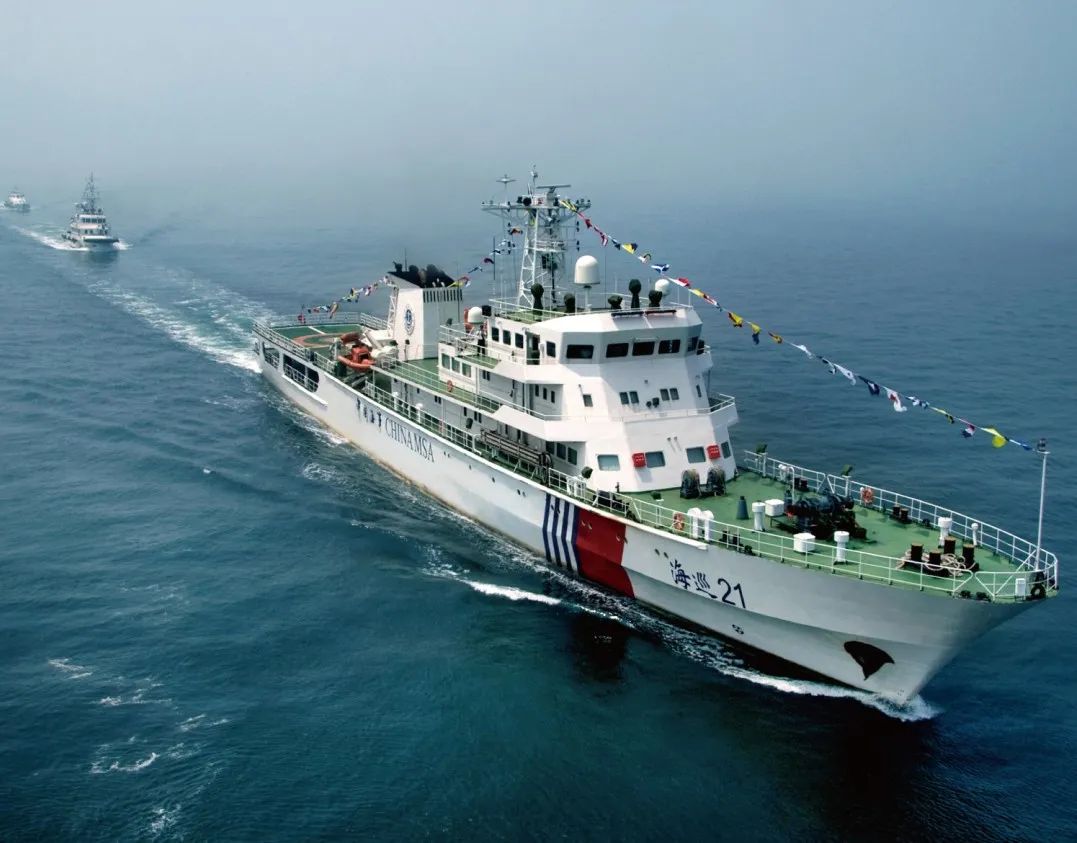
It is commonly required for equipment used on commercial ships, cargo vessels, passenger ferries, and offshore platforms.
Key Testing Requirements
To meet IEC/EN 60945 compliance, products must pass several critical tests:
- Environmental testing (temperature, humidity, salt mist, vibration)
- EMC testing (electromagnetic interference immunity and emissions)
- Power stability tests (voltage fluctuation and surge resistance)
- Safety and reliability verification for long-term marine operation
IEC/EN 60945 and LED Lighting
For marine lighting systems, compliance is especially important due to harsh operating conditions at sea. Products must ensure stable performance, corrosion resistance, and electrical safety.
Products like GAOPIN LED Tube designed for railway, industrial, and marine applications can benefit from IEC/EN 60945 compliance when used in shipboard environments, ensuring higher reliability and global market acceptance.