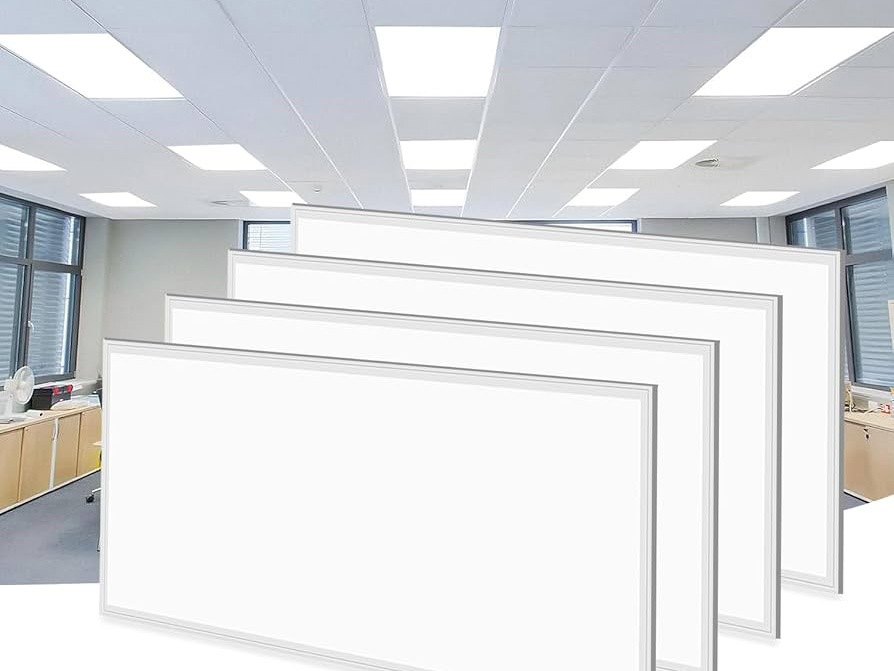
Introduction to LED Panel Lights
LED panel lights are flat, slim, and efficient lighting fixtures that use light-emitting diodes (LEDs) as the light source. They are designed to provide uniform and glare-free lighting, making them ideal for modern interiors. These lights are commonly used in offices, schools, hospitals, and residential spaces due to their sleek design, energy efficiency, and excellent illumination.
Choosing and installing LED panel lights strategically can save money through reduced energy consumption, longer lifespan, and lower maintenance costs.
Advantages of LED Panel Lights
- Energy Efficiency:
LED panel lights consume significantly less energy compared to traditional lighting systems like fluorescent or incandescent lights, reducing electricity bills. - Slim and Modern Design:
The ultra-thin design seamlessly integrates into ceilings for a clean, contemporary look. - Uniform Lighting:
They provide even illumination without dark spots or glare, improving visual comfort. - Long Lifespan:
LED panel lights can last up to 50,000 hours, reducing the need for frequent replacements. - Eco-Friendly:
Free from mercury and other harmful materials, they are environmentally safe. - Versatility:
Available in various sizes, color temperatures, and mounting options to suit different spaces and requirements.
How to Choose the Right LED Panel Light
When selecting LED panel lights, consider the following factors to ensure you make the right choice for your space and needs:
1. Size and Shape
- Common Sizes: LED panel lights are available in standard sizes like:
- 300×300 mm
- 600×600 mm
- 1200×300 mm
- 1200×600 mm
- Choose a size that fits your ceiling type and lighting requirements. For example:
- Square panels: Ideal for grid ceilings.
- Rectangular panels: Better for linear arrangements or large spaces.
2. Brightness (Lumen Output)
- Lumen: Indicates the total light output of the panel.
Look for lights with a high lumen-to-watt ratio (lm/W). Higher efficiency means more brightness for less energy. Higher lumens mean brighter light.- For offices or schools: 4000–5000 lumens.
- For homes: 2500–4000 lumens.
- Match the lumen output to the room’s size and purpose:
- Task-focused areas: Brighter panels.
- Ambient lighting: Moderate brightness.
3. Color Temperature
- Color temperature is measured in Kelvin (K) and determines the warmth or coolness of the light:
- Warm White (2700K–3000K): Creates a cozy, relaxing atmosphere, ideal for homes and lounges.
- Neutral White (3500K–4000K): Provides a natural balance, suitable for offices, kitchens, and bathrooms.
- Cool White (5000K–6500K): Offers a bright and crisp light, ideal for workspaces, hospitals, and areas requiring high visibility.
4. CRI (Color Rendering Index)
- CRI measures the accuracy of color representation under the light.
- High CRI (90+): Recommended for areas where color accuracy is essential, such as art studios or retail spaces.
- Standard CRI (80+): Adequate for general lighting.
5. Wattage and Energy Efficiency
- Choose a panel with low wattage and high lumens, ensuring energy savings without compromising brightness.
For example:- 30W–40W: Suitable for medium-sized rooms.
- 40W–60W: Suitable for larger spaces or high-ceiling rooms.
- Look for energy certifications like Energy Star or CE/RoHS compliance.
6. Dimmability
- Dimmable LED Panels: Allow you to adjust the brightness to create different moods or save energy. Choose dimmable LED panels if lighting levels need adjustment. Dimming reduces energy use and extends the lifespan of the lights.
- Ensure compatibility with your existing dimmer switch or control system.
7. Mounting Options
LED panel lights offer various installation methods:
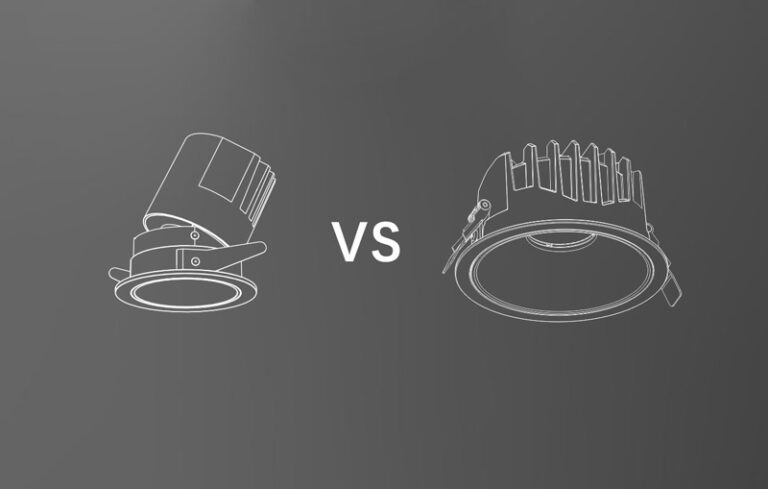
- Recessed Mount: Fits seamlessly into false ceilings, offering a flush, minimalistic appearance.

- Surface Mount: Ideal for spaces without false ceilings or where direct mounting is required.
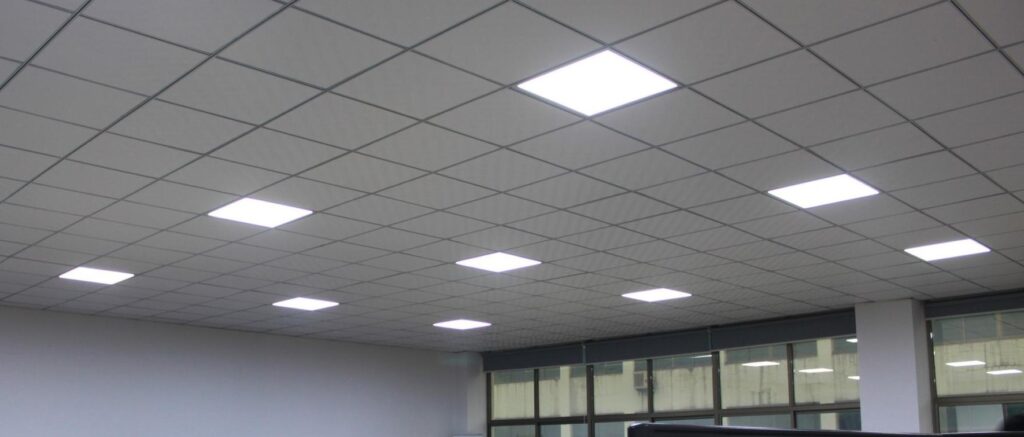

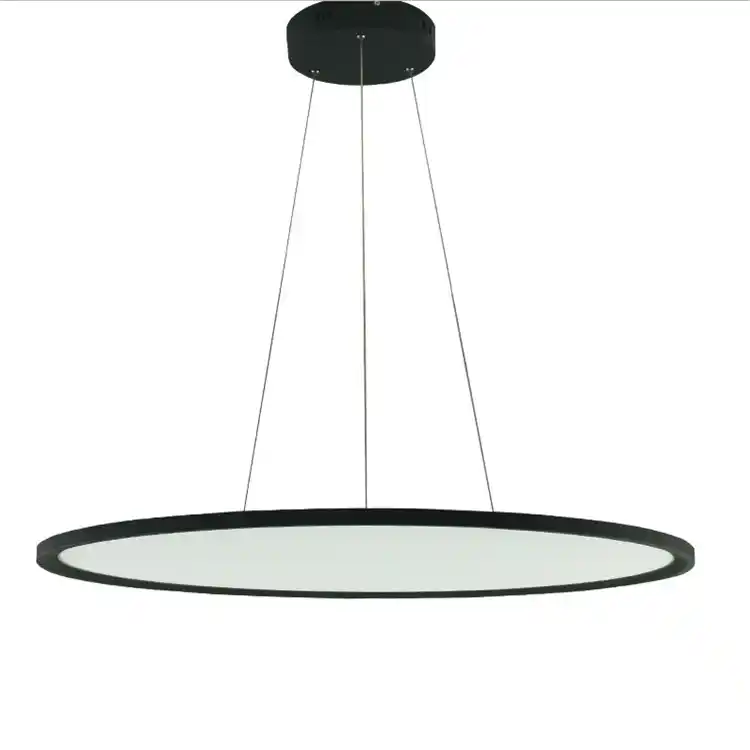
- Suspended Mount: Used with adjustable cables for a stylish, hanging design, often in modern offices or studios.
8. Smart Features
- Smart Panels: Integrated with Wi-Fi or Bluetooth for control via apps or voice assistants (e.g., Alexa, Google Assistant,Tuya). Use integrate motion sensors, daylight sensors, or timers to prevent unnecessary energy use.
- Offers features like color temperature adjustments, scheduling, and remote operation.
9. IP Rating
- Ingress Protection (IP) determines resistance to dust and water.
- IP20: For dry indoor areas.
- IP44: Suitable for damp environments like bathrooms.
- IP65: Waterproof, suitable for outdoor or wet areas.
10. Lifespan and Warranty
- Check the rated lifespan of the LED panel (e.g., >50,000 hours).
- A longer warranty period (3–5 years) ensures product quality and after-sales support.
11. Aesthetic and Frame Material
- Frame Material: High-quality aluminum frames are durable and provide better heat dissipation.
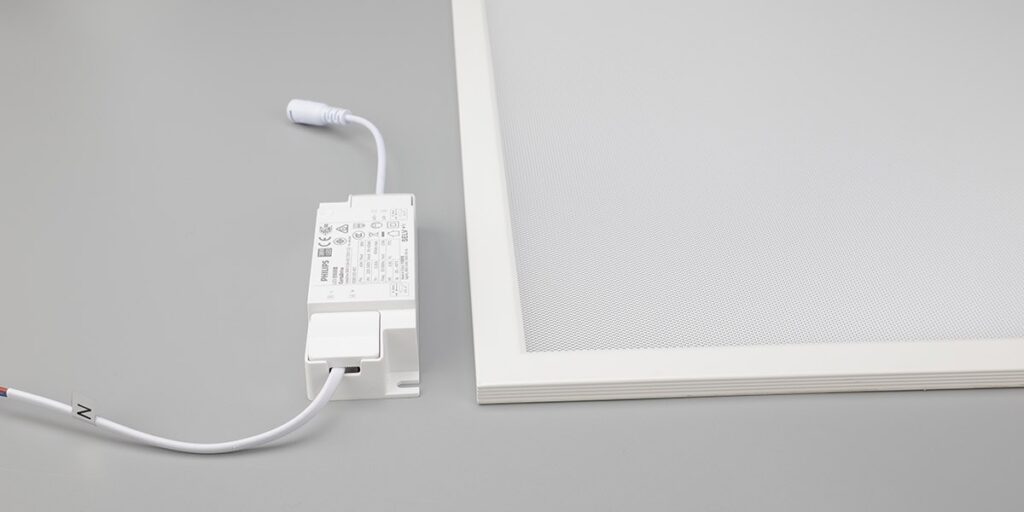
- Choose the finish (e.g., matte or glossy) that matches your interior design.
- You can decorate your space with LED panel lights,

12. Budget
- While upfront costs for LED panel lights can vary, focus on the total cost of ownership (including energy savings and maintenance costs). GAOPIN LED panels often pay for themselves over time. Because we provide high-brightness LED panel lights, compared with ordinary products, our power consumption is lower, saving more electricity bills; and longer service life, making your investment more valuable
Common Applications of LED Panel Lights
- Offices: Provide glare-free, uniform lighting to enhance productivity.
- Hospitals: Offer bright, sterile lighting for medical environments.
- Classrooms: Reduce eye strain and enhance learning with balanced illumination.
- Retail Spaces: Highlight products and create inviting environments.
- Homes: Used in kitchens, living rooms, and study areas for modern aesthetics.
Conclusion
Choosing the right LED panel light requires balancing technical specifications (size, lumens, color temperature, and energy efficiency) with practical needs (aesthetic, installation method, and budget). GAOPIN LED panel lights not only enhance the functionality and ambiance of a space but also provide long-term energy savings and durability. By considering the factors listed above, you can select the perfect lighting solution for your requirements.